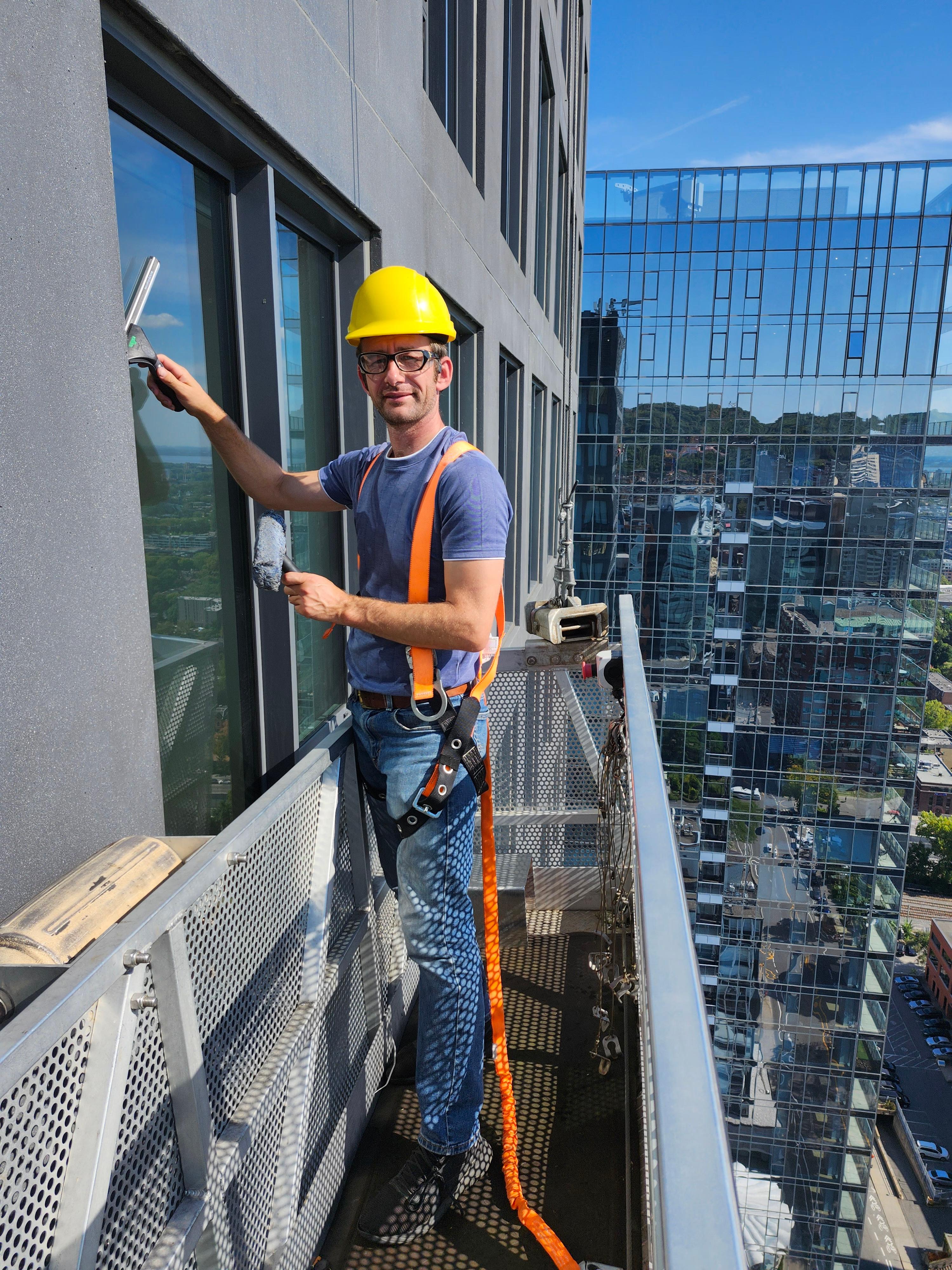
When Should You Replace Your Building's Caulking?
Caulking and sealant are the unsung heroes of your building envelope. They fill the gaps between windows, panels, and structural joints — keeping water out and conditioned air in. But sealant does not last forever. When it fails, the consequences can be severe: water infiltration, mould growth, energy waste, and structural deterioration.
The Lifespan of Commercial Caulking
High-quality commercial sealant typically lasts 10–20 years, depending on the product, application quality, and environmental exposure. In Montreal, the constant freeze-thaw cycles accelerate deterioration. South-facing facades exposed to direct sunlight degrade faster due to UV breakdown. Buildings near highways experience additional wear from road salt spray and vehicle exhaust.
Warning Signs That Sealant Needs Replacement
Property managers should watch for these indicators during regular building inspections:
- Visible cracking or splitting in sealant lines
- Sealant pulling away from surfaces (adhesion failure)
- Discolouration — chalky white, yellowed, or darkened sealant
- Hardened, brittle texture (healthy sealant should be flexible)
- Water stains on interior walls or ceilings near window frames
- Drafts near sealed joints (indicating gaps in the seal)
- Increased heating or cooling costs (poor envelope performance)
The Cost of Ignoring Failed Caulking
A linear metre of sealant replacement costs relatively little — typically $15–$40 depending on the product and access requirements. But the damage caused by failed caulking can cost thousands. Water infiltration leads to mould remediation ($5,000–$30,000+), drywall repair, paint damage, and in severe cases, structural steel corrosion or concrete spalling. Prevention is always cheaper than repair.
Montreal's Climate Makes Caulking Critical
Few cities test building envelopes like Montreal. Winter temperatures routinely drop below -20°C, causing materials to contract. Summer heat pushes above 30°C, causing expansion. This constant movement stresses sealant joints dozens of times per year. Add ice, snow melt, and driving rain, and you have a recipe for rapid sealant failure if inferior products were used or if the original application was poor.
Professional Caulking Inspection and Replacement
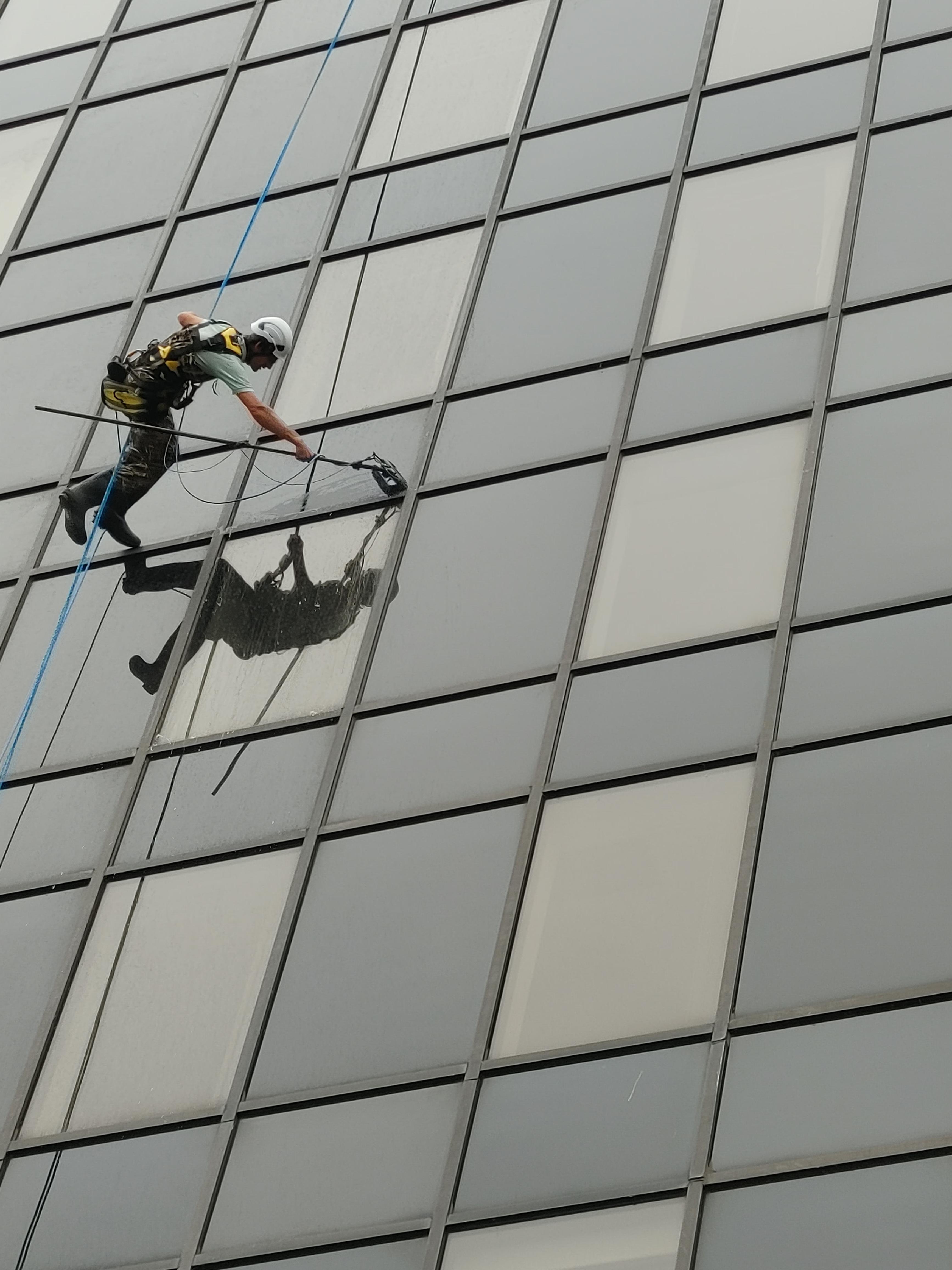
LavPro's SPRAT-certified technicians can inspect and replace sealant on any building using rope access — no scaffolding required. We use premium, flexible sealant products rated for Montreal's extreme temperature range. Our inspections identify failing areas before they cause damage, and our detailed reports give property managers the documentation they need for maintenance planning and budgeting.
Do not wait for water damage to tell you the caulking has failed. Contact LavPro for a professional caulking inspection and protect your building before the next freeze-thaw cycle.